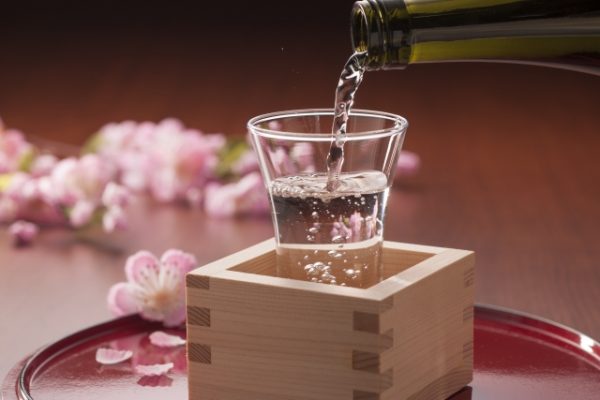
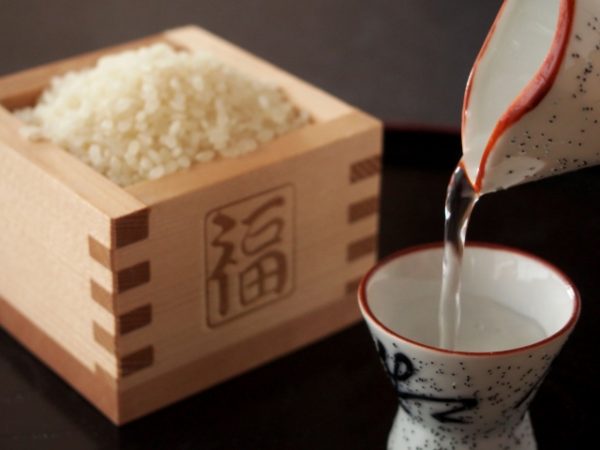
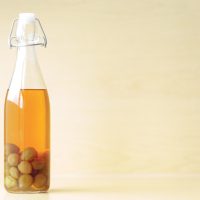
There are many types of sake.
(日本酒にはたくさんの種類がある) The tastediffersaccording to the kind of rice it’s made from and how it’s made.
(日本酒が作られた米の種類とどうやって作られたかによって味は異なってくるんだ)But basically there are two categories of sake—ginjo-shu, which is called “premium” or “special brew” in English, and junmai-shu, or “pure rice” sake.
(でも、基本的にふたつのカテゴリーの酒があるんだ。英語で「プレミアム」とか「スペシャル・ブリュー」と言われる吟醸酒と、「ピュア・ライス」と言われる純米酒だ)
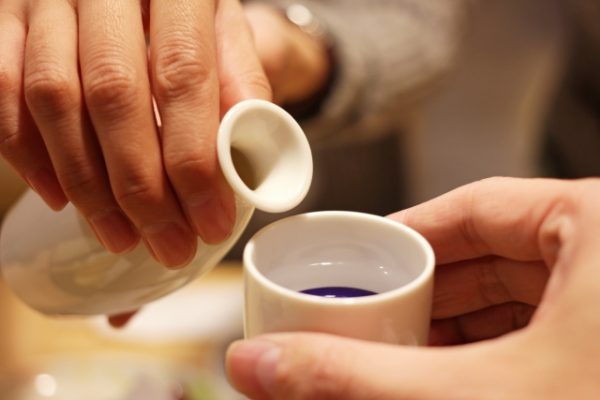
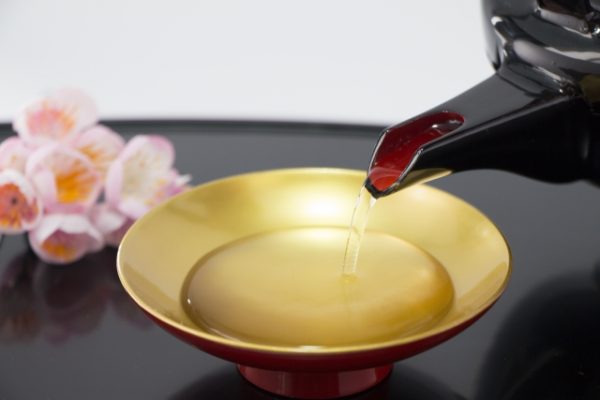
You can drink sake cold or hot.
(日本酒は冷やしても温めても飲むことができる)Hot sake is popular when the weather is colder.
(気候が寒いときには熱燗のお酒が人気だ)
But I don’t recommend heating expensive sake, because it will lose some if its subtle aroma and flavor.
(でも、高いお酒を温めるのはおすすめしないな。繊細な香りや風味がいくらか飛んでしまうからね) If you want to drink hot sake, it’s best to choose an inexpensive type—it will still be very tasty.
(熱燗で飲みたいなら、安いタイプの日本酒を選ぶのがベストだよ。それでもとても美味しいからね)
Sake is often called “rice wine” in English.
(日本酒はよく英語で「米のワイン」なんて言われる) It’s true that it’s made from fermented rice, but the production process is more like beer brewing than wine making.
(日本酒が発酵した米から作られるのは本当だけれど、製造工程はむしろ、ワイン造りよりもビールの醸造に似ているんだ)In sake brewing, the starch in the rice is converted to sugar, and the sugar is converted to alcohol.
(日本酒の醸造では、米の中のでん粉が砂糖に変わり、砂糖がアルコールに変わる)
It’s best to sip it slowly, like wine, and enjoy the aroma and flavor.
(ワインのようにゆっくり少しずつ飲んで、香りと風味を楽しむのがベストだね) Be careful, because sake is stronger than wine—the alcohol content is usually over 15 percent.
(日本酒はワインよりも強いので注意してほしい) I recommend chasing it with water.
(水をチェイサーにするといいよ)
Here’s to another year of laughs, memories, and good food!
(=一緒に笑ったり、新しい思い出を作ったり、美味しいものを食べることを今年も楽しみしています)
例)
A: Happy New Year!(=明けましておめでとう!)
B: Happy New Year! Here’s to another year of laughs, memories, and good food! (=明けましておめでとう!一緒に笑ったり、新しい思い出を作ったり、美味しいものを食べることを今年も楽しみしています)