A zannen-na-hito is a person who disappoints people who expect things of him or her.
(「残念な人」は、何事においても他人の期待を裏切ってしまう人のことです)
A zannen-na-hito usually does his best, but in the end is far off the mark.
(「残念な人」は常に最善を尽くしているのに的を外してしまい)
People around him are often disappointed and regret that they expected so much.
(周囲の人たちをがっかりさせたり、期待をかけたことを後悔させたりします)
Zannen-na is a Japanese adjective that refers to something disappointing or someone who makes others feel regretful or sorry.
(「残念な」は日本語の形容詞で、人をがっかりさせるような事柄や、他人を後悔させたり残念な気持ちにさせてしまうような人物を指して使われます)
Ara-fo is a word used mainly for a woman who is around the age of 40.
(「アラフォー」は主に、40歳前後の女性を指して使われます)
Ara is from “around” and fo is from “forty.”
(「アラ」はaround、「フォー」はfortyに由来 しています)
Ara-fo is often used to refer to a woman who is at a crossroads in life between work, marriage, childbirthand so forth.
(「アラフォー」は、仕事や結婚、出産などで人生の岐路に立たされた女性を指して、よく用いられます)
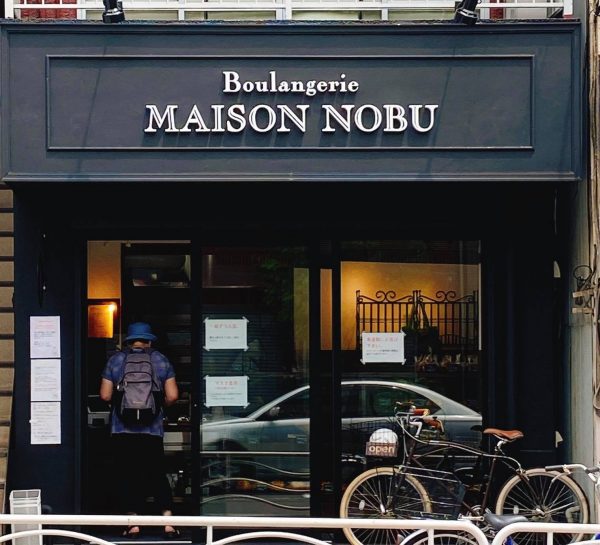
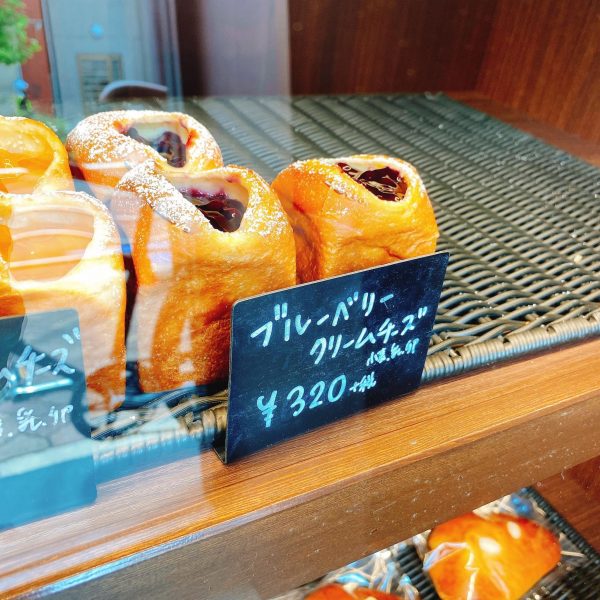
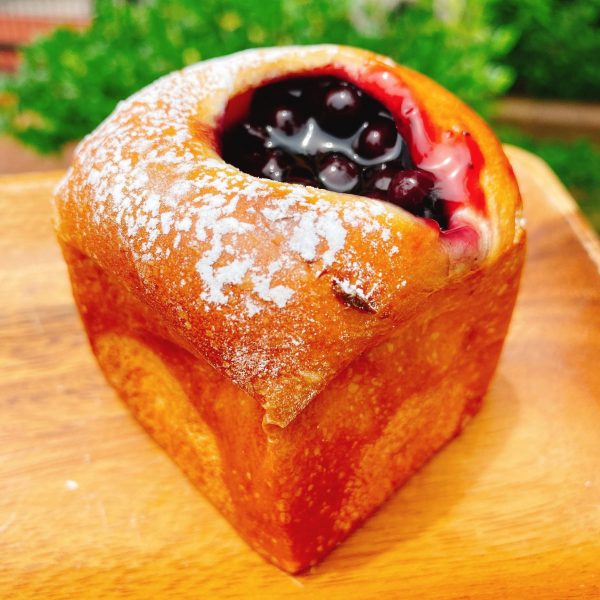
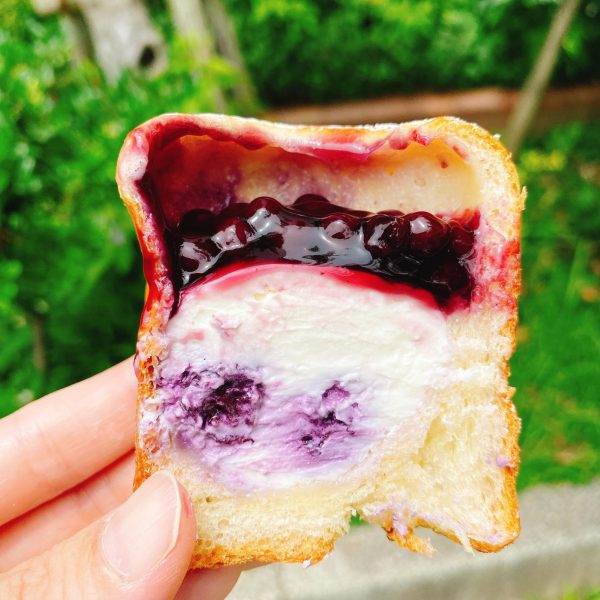
【東京・森下】宝石のようなジャムパンが絶品♪「Boulangerie MAISON NOBU(メゾン ノブ)」
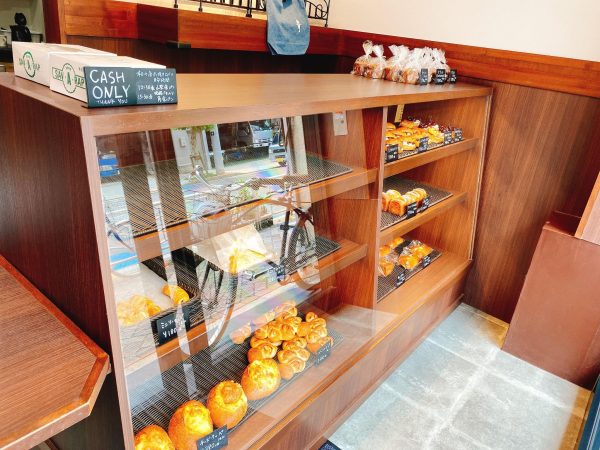
都営新宿線の菊川駅もしくは森下駅から徒歩7分程度のところにあるBoulangerie MAISON NOBU(メゾン ノブ)。下町の良さが残るこの界隈には、最近お洒落で美味しいお店が増えています。店主である保要シェフは、米国・シリコンバレーにある人気店を経営していたそうで、帰国後2017年2月にこのお店をオープンしました。
A moto-kare is anex-boyfriend, and a moto-kano is an ex-girlfriend.
(「元カレ」は前に付き合っていた男性の恋人、「元カノ」は前に付き合っていた女性の恋人のことです)
Moto means “former.” Kare is the shortened form of kareshi, which means “boyfriend,” while kano is the shortened form of kanojo, which means “girlfriend.”
(「元」 は「以前の」の意味で、「カレ」は「男性の恋人」を指す「彼氏」を短くした形です。一方、「カノ」は「女性の恋人」を指す「彼女」の短縮形です)
As derivations of moto-kare/moto kano, ima-kare and ima-kano have been used to mean “current boyfriend” and “current girlfriend.”
(「元カレ」「元カノ」から派生して、「今カレ」と「今カノ」も使われるようになっています。それぞれ「現在の男性の恋人」「現在の女性の恋人」を指します)
Ohitori-sama usually means a single woman without a boyfriend.
(「おひとりさま」は通例、独身で恋人もいない女性を表します)
This word has at least two implications– “alone” or “lonely,” and “independent.”
(この語には、少なくともふたつのニュアンスが含まれています――「ひとりの」、「孤独な」と「自立した」です)
Ohitori-sama originally meant a customer who goes to a restaurant alone.Since it is usually used by restaurant employees, the word has the honorific sama.
(「おひとりさま」はもともと、飲食 店にひとりで来店する客を指して使われており、ふつう飲食店の店員が使う言葉なので、「さま」という敬称が付いています)
Because of this honorific, the word seems to have an implication of pride in being alone.
(この敬称があるので、この語がひとりであることの誇りといった意味合いを含んでいるように思えます)

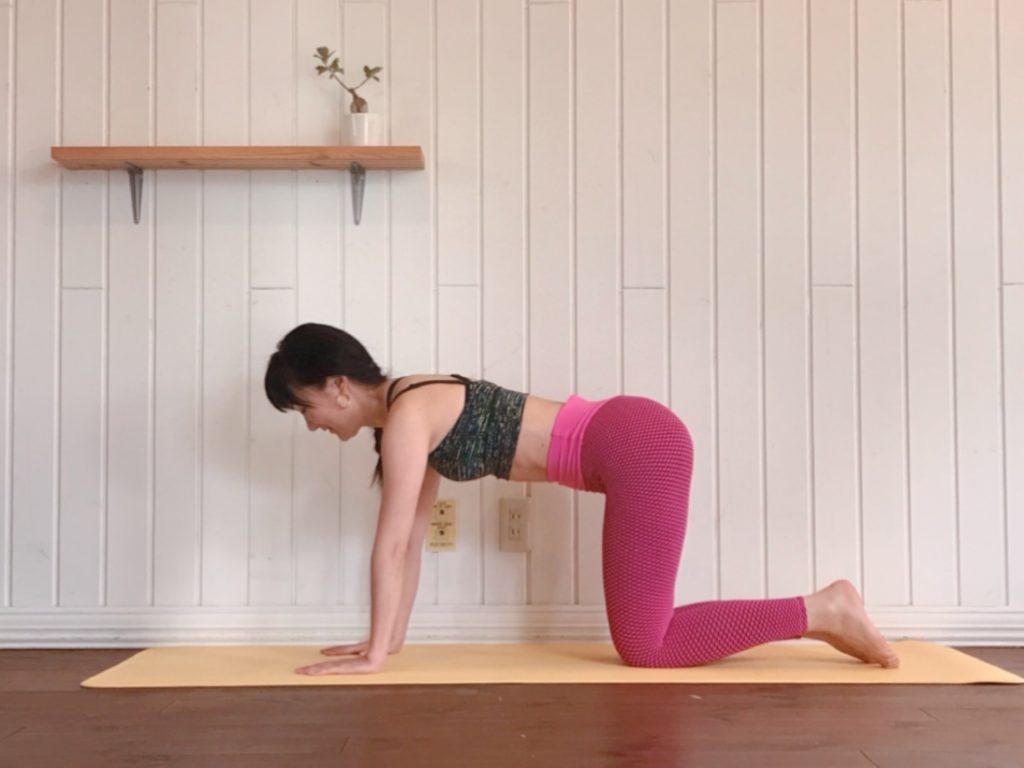
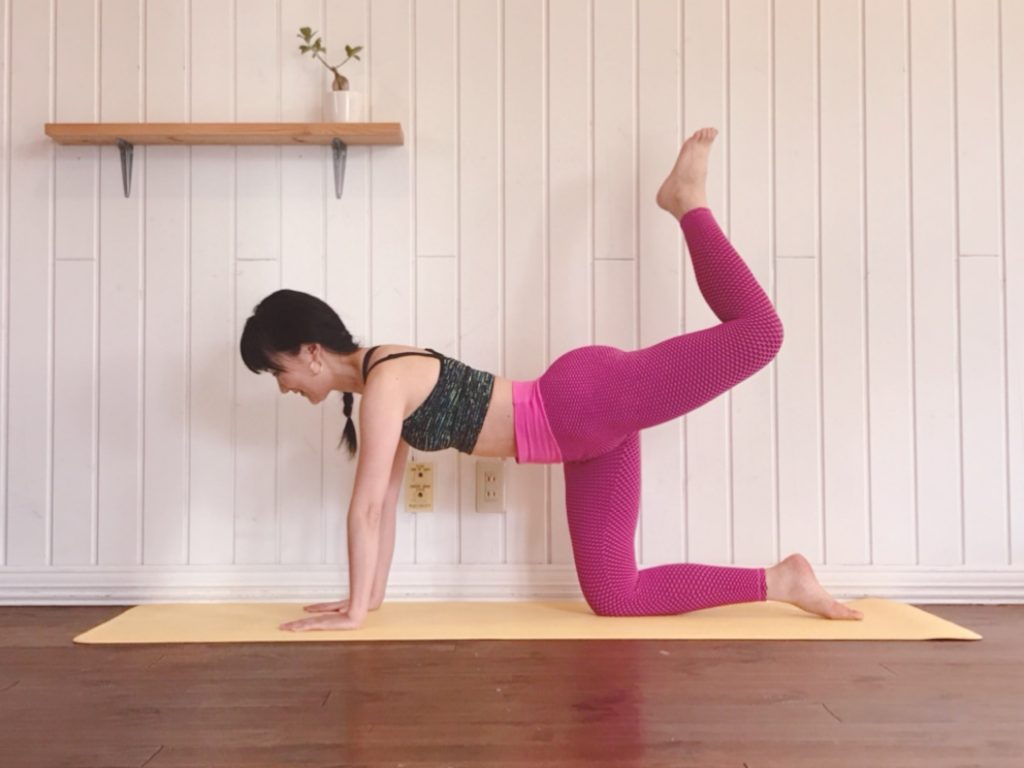
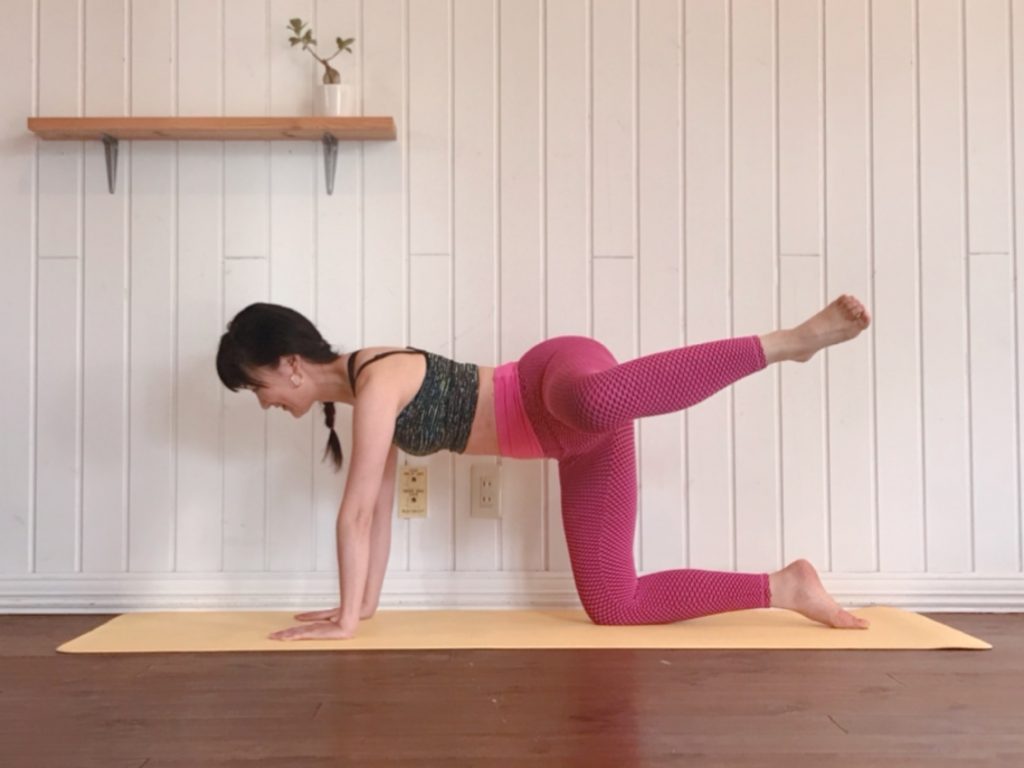














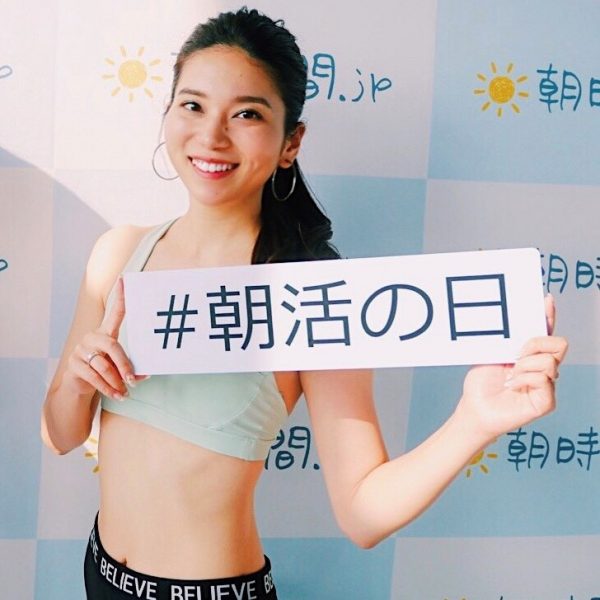
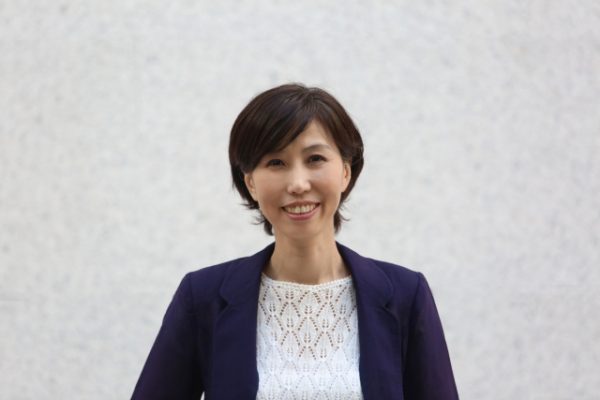










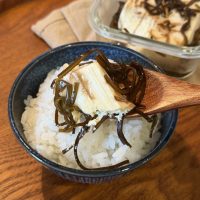

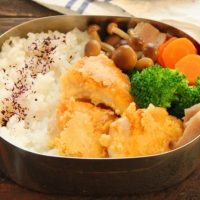

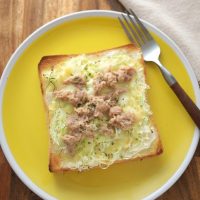





野口沙貴さん(ダイエット&ビューティーパートナー)
食講師。「食べるの大好き、でも痩せたい。」そんなあなたのダイエットパートナー。正しい食知識とデトックスでコンプレックスと決別し、自分を好きになる。そんなお手伝いをしています。【元】万年ダイエッター/体脂肪率30%/社畜気味のゲームディレクター【現】体脂肪率22%(2年間無理なくキープ中)/好きなことで自由に働けています。“リバウンドしないダイエットと早起きが叶うライフスタイルの実現”を使命として、私が「役に立った!」と確信した情報をシェアしています!
■Instagram:@saki_m0rningram
■blog:https://ameblo.jp/saki-m0rning
朝美人アンバサダー2020のみなさんのプロフィールはこちら >>(https://asajikan.jp/ambassador_2020)