Otaku are people who have a strong interest and fascination in things like manga, anime and so on.
(=オタクはマンガやアニメなどに強い興味を持ち引きこまれている人たちのことです)
They have their own virtual universe.
(=彼らは自分たちだけの仮想世界をもっています)
Sometimes their personalities are described as inward and they are characterized as staying in home all the time but in the real world there are many otaku around you.
(=オタクは内向的で1日中家に引きこもっていると言われることがありますが、現実社会にはみなさんのまわりにもたくさんのオタクがいます)
There’s no strict line between who is otaku and who is not.
(=だれがオタクでだれがそうでないかという明確な境界線はないのです)出典:コスモピア eステーション『英語で語るニッポン』
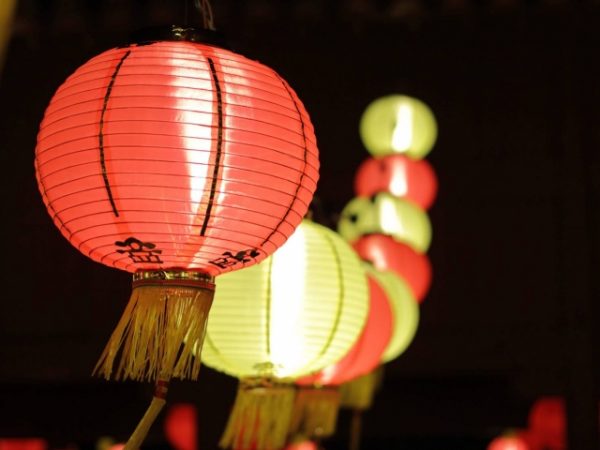
Chochin is a lantern, a portablelighting device.
(=提灯はランタンで、携帯できる照明器具です)
It is made of thin strips of bamboo and washi paper.
(=細長い竹の軸と和紙でつくられています)
Chochin can be hung from the ceiling, or carried by hand.
(=提灯は天井から下げることもできれば、手で持ち歩くこともできます)
They are essential at festivals and ceremonies.
(=お祭りや儀式には欠かすことができません)
They used to have a candle inside, but nowadays many of the chochin found are lit by a light bulb.
(=以前は中にろうそくを入れて使用していましたが、最近目にする提灯は電球を入れて灯されるものが多くあります)出典:コスモピア eステーション『英語で語るニッポン』
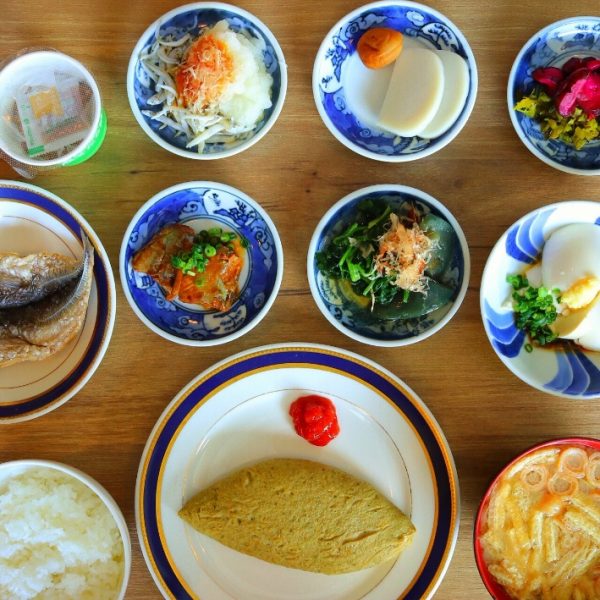
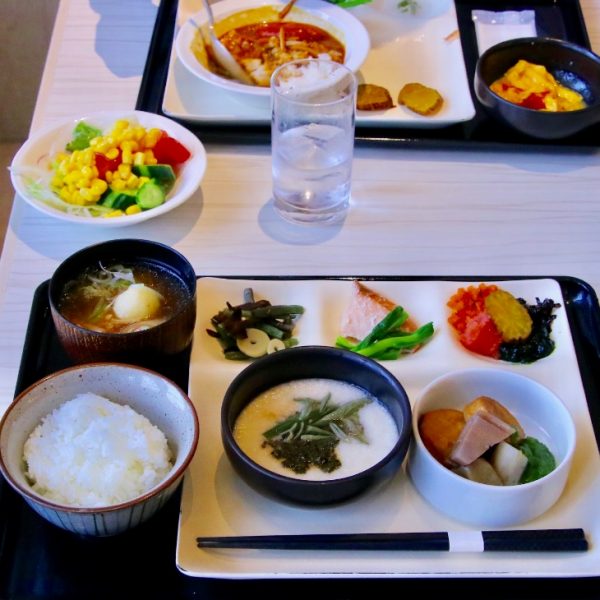
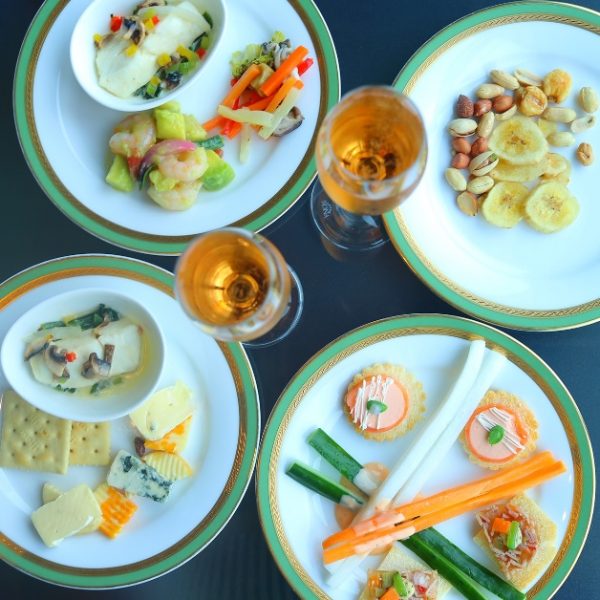
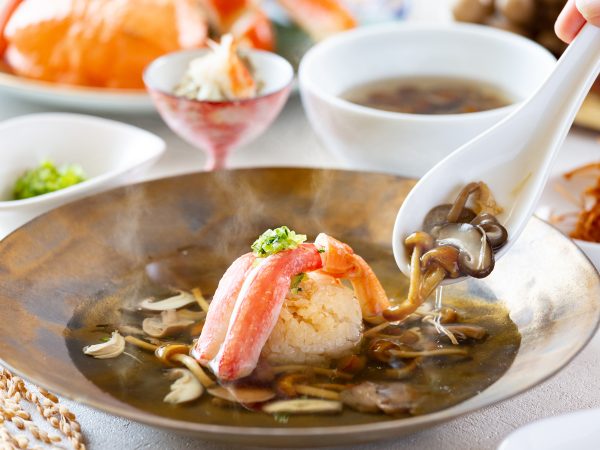
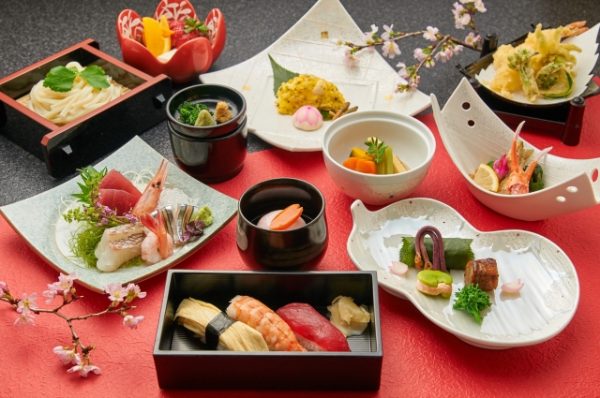
Kaisekiryori is traditional multi-course Japanese cuisine.
(=懐石料理は伝統的な日本のコース料理です)
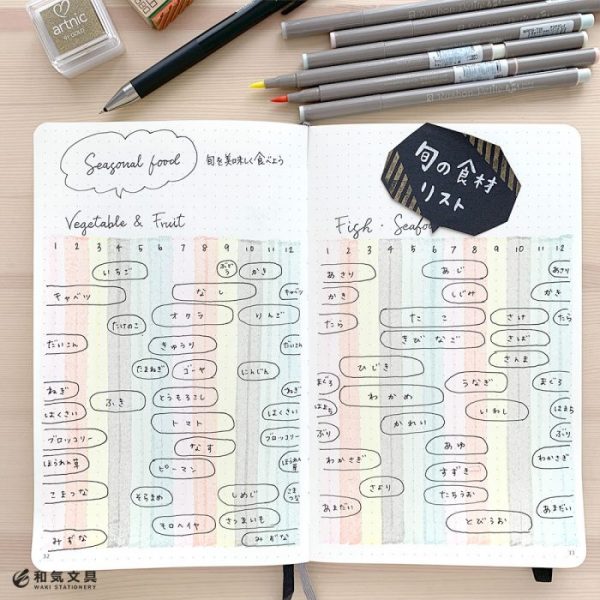
The menus are changed according to the season, and they use foods that are available at that season.
(=メニューは季節に応じて変わり、季節の素材が使われます)
People usually have kaiseki in specialized restaurants, or in Japanese-style inns, called ryokan.
(=懐石料理は一般的に、専門料理店か旅館と呼ばれる日本式の宿で食べることができます)
The visual aspect of kaiseki is as important as the taste, so the dishes always look beautiful.
(=懐石料理では味と同等に見た目が重視されるので、ながめてとても美しいものです)出典:コスモピア eステーション『英語で語るニッポン』