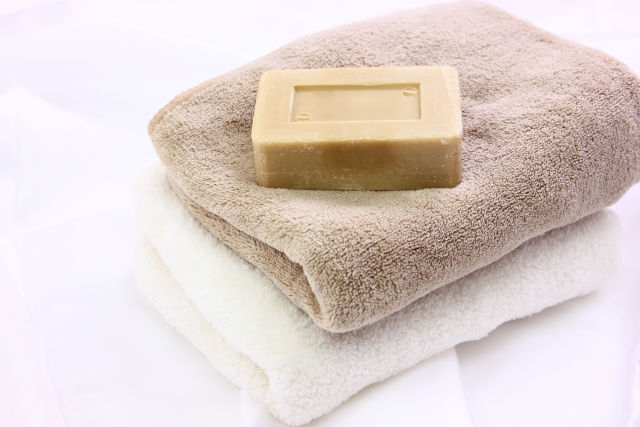
One reason is that we take a bath not just to get clean, but to relax.
(=ひとつには、風呂に入るのはきれいになるためだけではなく、リラックスのためだからです)
After a long day of work, it feels really good to soak in a hot bath.
(=長時間働いたあと、熱いお風呂に体を浸すととても気持ちがいいものです)
But these days a lot of younger people who are busy with work or school take a shower in the morning instead, so they can sleep longer.
(=しかし、仕事や学校で忙しい最近の若い人たちは、朝シャワーを浴びる人も大勢います。そうすれば、睡眠時間が長くとれるしスッキリするからです)
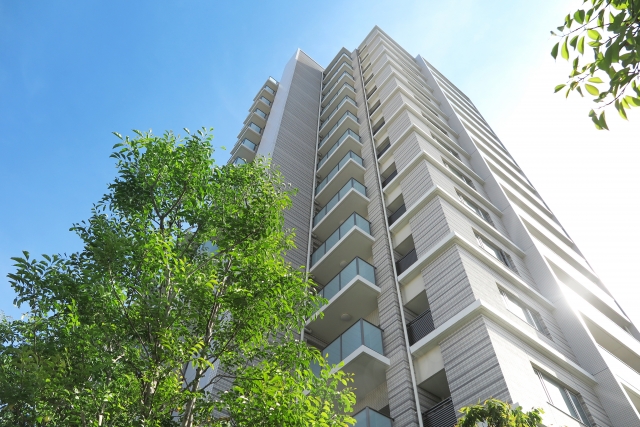
Basically there are two types of homes: private houses, and apartments in multi-unit buildings.
(=基本的に、住宅のタイプはふたつあります。一戸建てと集合住宅です)
In Japan, “mansion” means a modern apartment building, not a very large, luxurious single-family house like in English.
(=日本語でいう「マンション」は現代的なapartmentで、英語でいうmansionのように広くて豪華な個人家庭用の家ではありません)
The interesting thing about the word kawaii is that can be used to create new concepts, like kimo-kawaii.
(=カワイイの面白いところは、この言葉を使って別のコンセプト――例えばキモカワイイ――のような言葉を作ることができる点です)
Kimokawaii is a combination of two words; “kimoi” which means grotesque, and “kawaii”
(=キモカワイイは気持ちが悪いという意味の「キモイ」という言葉と、「カワイイ」を組みわせた言葉です)
This phrase is used to describe something that is not very attractive, but is cute in other ways.
(=この表現はとても魅力的とは言えないけれど、かわいげのあるものに使われます)
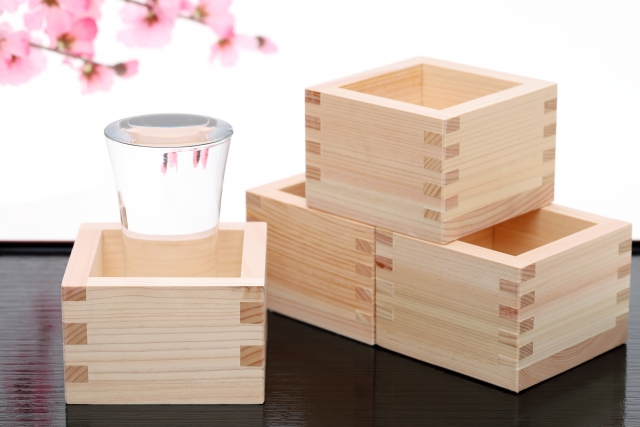
Nihonshu is a traditional Japanese liquor made from fermented rice.
(=日本酒は、発酵させたお米から作られる伝統的な日本の酒です)
It’s sometimes called sake.
(=酒と呼ばれることもあります)
In English, sakealways means nihonshu, but in Japanese, sake can mean any kind of alcoholic drink.
(=英語で酒というと常に日本酒を意味しますが、日本語で酒はさまざまなアルコールドリンクを意味します)
Nihonshu is often called “rice wine” in English, but it isn’t really wine because the production process is different.
(=日本酒は英語でお米のワインと呼ばれることがありますが、正確にはワインではありません、製造過程が異なるためです)
It tastes best when it’s relatively fresh — it doesn’t taste better after several years, like wine.
(日本酒は比較的新鮮なものほど味がよく、ワインのように数年後に飲もうとするとあまりおいしくありません)