Omiai are arrangedmeetings.
(=お見合いとは、お膳立てされた出会いです)
Men and women are introduced, date for a while, and consider getting married.
(=男性と女性が引き合わされ、しばらくの間デートをし、結婚を考えます)
If the two people agree to marry each other, they do.
(=もしふたりが同意すれば、結婚します)
Traditionally, the parents ask someone they know to be the go-between, and that person looks for someone who may be a suitable partner.
(=昔からのやり方は、親が知っている人に仲人になってもらうよう依頼し、仲人はふさわしい相手になりそうな人物を探します)
In the traditional type of omiai, resumes and photos are required.
(=典型的なお見合いでは、身上書と写真が必要です)
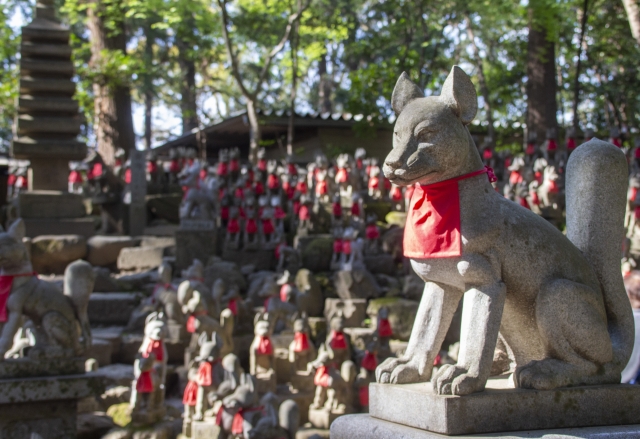
There is a legend that foxes love aburaage. In fact, it was not aburaage, but fried mouse.
(=油揚げは狐の好物だという話がありますが、実際のところ、好物は油揚げではなくネズミです)
In the old days, fried mouse were used to be offered at Inari jinja, but preparing mouse is not easy work.
(=昔は稲荷神社に油で揚げたネズミがお供えされていましたが、ネズミを用意するのは簡単なことではありません)
So at some point, people started to offer aburaageinstead of mouse to the foxes.
(=そこである時から、ネズミの代わりに油揚げがお供えされるようになりました)
That’s why stuffed rice with aburaage is called inarizushi.
(=これが、油揚げにご飯をつめたお寿司が稲荷寿司と呼ばれる理由です)
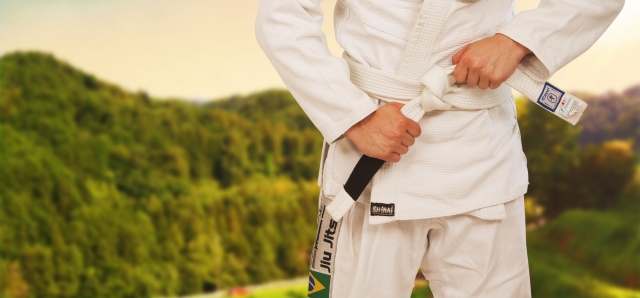
Judo is the most popular Japanese martial art.
(=柔道は最も人気の高い日本の武術です)
Like kendo and sumo, judo teaches not only fighting techniques, but also mentaldiscipline.
(=剣道や相撲同様、柔道は戦う技術だけではなく、心の鍛連を教えます)
From 2012, judo , kendo ,and sumo became compulsory subjects in junior high schools, so as to encourage more familiarity with Japanese traditions and culture.
(=2012年から、柔道、剣道、相撲の武道が中学校で必修化されました。日本固有の伝統と文化に、より一層親しむためです)





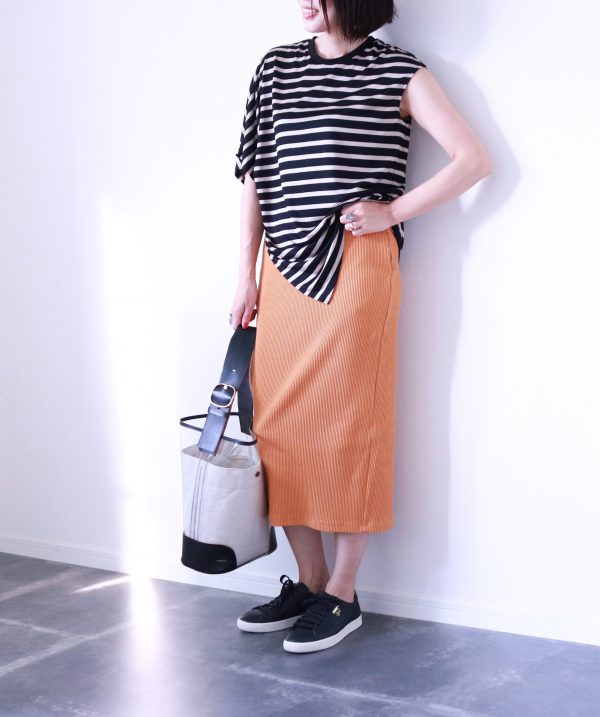 最後はボーダーTシャツを合わせたコーデです。