【動作1】
I explain that you can order extra noodles if there is broth left. (スープを残しておけば替え玉をオーダーできることを説明する)【つぶやき1】
Hey, he wants to try the extra noodles, too? (お、替え玉もいってみる?)【動作2】
We finish our ramen and leave the shop. (ラーメンを食べ終えて店を出る)【動作3】
It looked like my friend had fun. I’m glad. (楽しんでくれたようでよかった)【つぶやき2】
But ramen has a lot of calories, so we’d better not eat too much. (でもラーメンはカロリー高いから食べ過ぎ注意だよ)
【動作1】
The server brings an English menu. (店員が英語のメニューを持ってきてくれる)【つぶやき1】
Oh, thanks for noticing! (お、気が利く)【動作2】
My friend chooses soy sauce flavored tonkotsu ramen. I choose tsukemen. (友人は豚骨醤油ラーメンにする。私はつけ麺を選ぶ)【動作3】
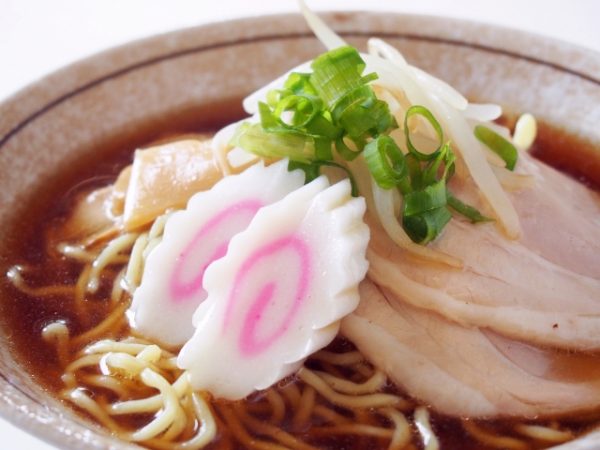
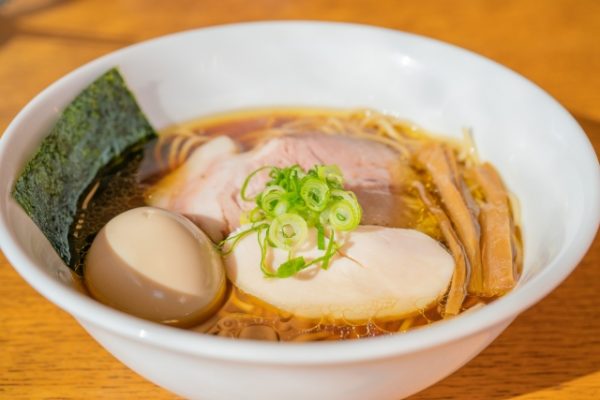
The ramen comes. (ラーメンが来る)【つぶやき2】 Looks great! But it looks really hot. (おいしそう!でもすごく熱そう)【動作4】
My friend takes pictures before eating the ramen. (友人がラーメンを食べる前に写真を撮っている)【つぶやき3】
It’ll get soft if we don’t eat quickly. (早く食べないと延びちゃうよ)
【動作1】
I take my friend to the tonkotsu ramen shop I frequent. (行きつけの豚骨ラーメン屋に友人を連れて行く)【つぶやき1】
The smell is a little unusual. I hope that’s not a problem. (ちょっとニオイが独特だけど大丈夫かな)【つぶやき2】 I wonder if he’ll like it. (気に入ってもらえるかな)【動作2】
I explain how to buy a ticket from the vending machine, and explain the menu. (券売機での券の買い方とメニューを説明する)【つぶやき3】
Whoa! Normally I don’t pay much attention, but ramen shops really do have a lot of options! (おお、ふだんは気がつかないけど、ラーメン屋ってかなりオプションがあるんだ)【つぶやき4】
Gee, this is tough. (こりゃ、大変)
【動作1】
I take a foreign friend out to eat. (外国人の友人を食事に連れて行く)【つぶやき1】
Hmm… What kind of food do foreigners want to eat when they come to Japan? (悩むな~。外国人って日本でどんなもの食べたいんだろう)【つぶやき2】
If it was me, I think I’d want to try the localcuisine. (自分だったら、外国で現地ならではのもの食べたいって思うかな)【動作2】
I ask what my friend wants to eat. (友人に何を食べたいか好みを聞く)【つぶやき3】
Really?! Ramen? Something simple like that is OK? (え!? ラーメン? そんな手軽なものでいいの?) 【つぶやき4】 You never know, do you? I’m glad I asked. (やっぱりわからないもんだなあ。 聞いてよかった)


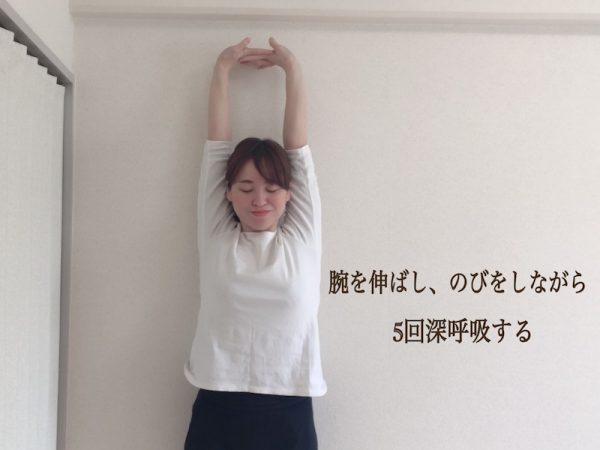
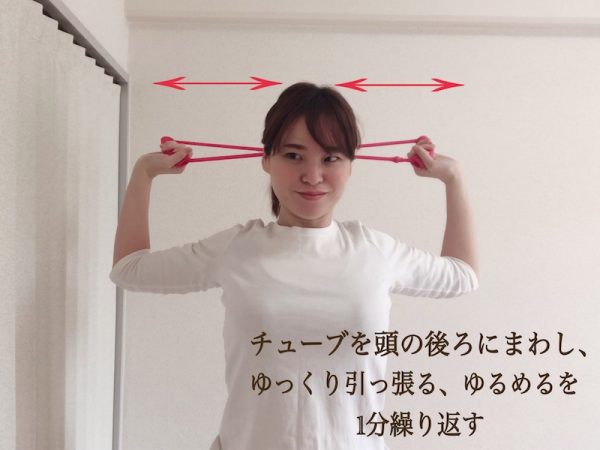
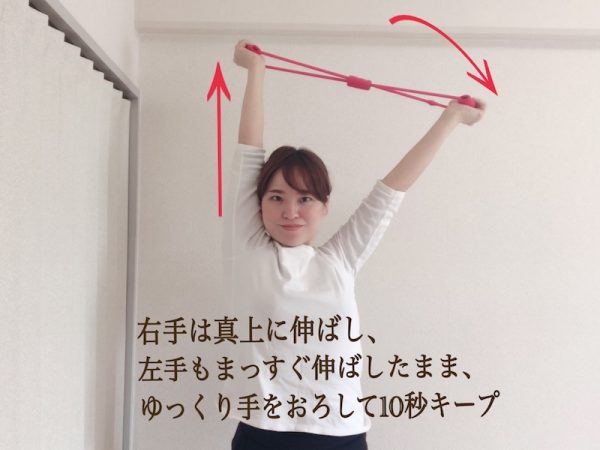
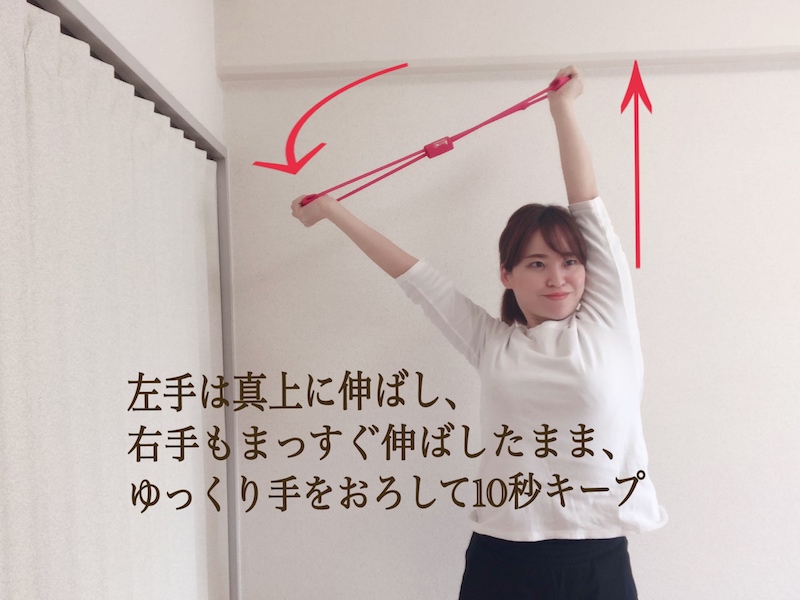
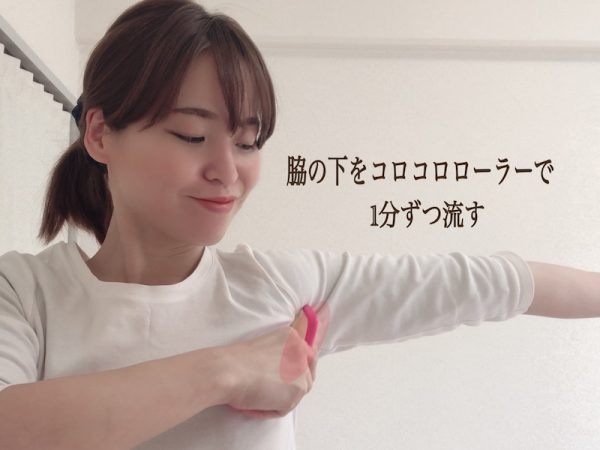 次はコロコロローラーにチェンジ。脇の下を1分ずつ流します。